
From Concept to Completion: Interior Design Process Explained

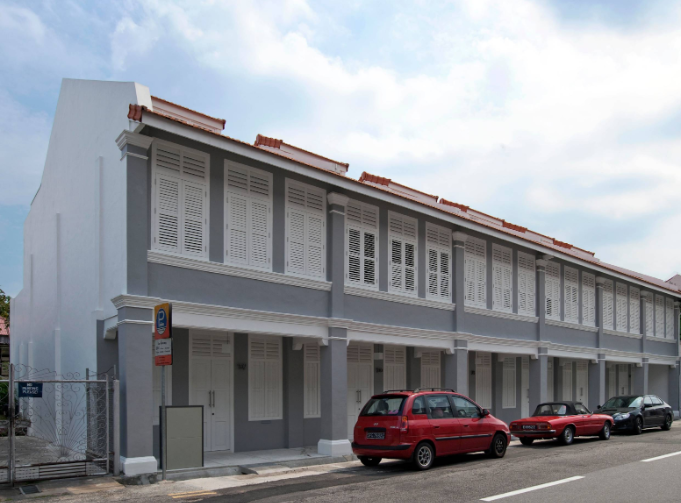
Interior design is more than just choosing colors and furniture—it is a structured process that transforms ideas into functional and visually appealing spaces. Understanding from concept to completion: interior design process explained helps homeowners and business owners appreciate the value of professional planning and execution. Whether it is a modern home, office, or renovating a shophouse (รีโนเวทตึกแถว), following a clear design process ensures successful results with minimal stress.
Step 1: Initial Consultation and Client Brief
Every interior design project begins with an in-depth consultation. At this stage, designers meet with clients to understand their vision, needs, lifestyle, and budget. This step is crucial, as it sets the foundation for the entire project.
For projects like renovating a shophouse, designers also discuss functional requirements such as commercial usage, customer flow, storage needs, and brand identity. Clear communication at this stage helps avoid misunderstandings later in the process.
Step 2: Site Analysis and Measurement
After understanding the client’s requirements, the designer conducts a detailed site analysis. Measurements, structural elements, lighting conditions, and existing materials are carefully evaluated. This step allows designers to identify challenges and opportunities within the space.
When renovating a shophouse, site analysis is especially important due to older structures, limited layouts, or zoning considerations. Accurate data ensures that the design is both practical and compliant with regulations.
See also: business expansion and insights

Step 3: Concept Development
The concept development phase is where creativity begins. Designers translate ideas into a clear design direction using mood boards, color schemes, material samples, and reference images. This concept reflects the client’s personality, functional needs, and overall aesthetic goals.
As from concept to completion: interior design process explained suggests, this stage ensures that both designer and client are aligned before moving forward. For shophouse renovations, concepts often balance modern design with traditional architectural elements.
Step 4: Space Planning and Layout Design
Once the concept is approved, designers focus on space planning. Floor plans are developed to optimize circulation, functionality, and comfort. Furniture placement, storage solutions, and zoning are carefully planned.
In the case of renovating a shophouse, space planning ensures efficient use of limited width while maximizing depth and vertical space. Smart layouts improve customer experience for commercial use and comfort for residential spaces.
Step 5: 3D Visualization and Design Presentation
To help clients visualize the final outcome, designers create 3D renderings or visual presentations. These realistic images show colors, textures, furniture, and lighting in detail.
This stage allows clients to provide feedback and request adjustments before construction begins. Visual clarity reduces uncertainty and ensures satisfaction with the final design.
Step 6: Material Selection and Detailed Drawings
Material selection is a critical step in the interior design process. Designers choose flooring, wall finishes, lighting fixtures, furniture, and accessories that align with the approved concept and budget.
Detailed technical drawings are also prepared for contractors. These drawings include dimensions, electrical layouts, lighting plans, and custom furniture details. For renovating a shophouse, selecting durable materials is especially important due to high foot traffic and long-term usage.
Step 7: Budgeting and Project Scheduling
A clear budget and timeline are established before execution begins. Designers help clients allocate funds wisely and avoid unnecessary expenses. Proper scheduling ensures smooth coordination between different trades and suppliers.
Understanding from concept to completion: interior design process explained highlights how budgeting and planning prevent delays and cost overruns, especially in complex renovation projects.
Step 8: Construction and On-Site Supervision
During the execution phase, designers work closely with contractors and craftsmen to ensure the design is implemented accurately. Regular site visits and quality checks help maintain design integrity and construction standards.
For projects involving renovating a shophouse, on-site supervision is essential to address unexpected structural issues and ensure safety compliance.
Step 9: Installation and Styling
Once construction is complete, furniture, lighting, and decorative elements are installed. Designers carefully style the space to enhance visual appeal and functionality. This final touch brings the design to life and completes the transformation.
Proper styling ensures that the space feels cohesive, balanced, and ready for use.
Step 10: Final Handover and Client Walkthrough
The final stage involves a detailed walkthrough with the client. Designers review the completed project, address any concerns, and ensure all elements meet expectations. After final adjustments, the project is officially handed over.
This step marks the successful completion of the interior design journey—from idea to reality.
Conclusion
Understanding from concept to completion: interior design process explained reveals the importance of a structured and professional approach to interior design. Each stage, from consultation and planning to execution and styling, plays a vital role in achieving high-quality results. Whether designing a home, office, or renovating a shophouse, following a clear design process ensures functionality, aesthetics, and long-term value. Professional interior design transforms spaces thoughtfully, efficiently, and beautifully.